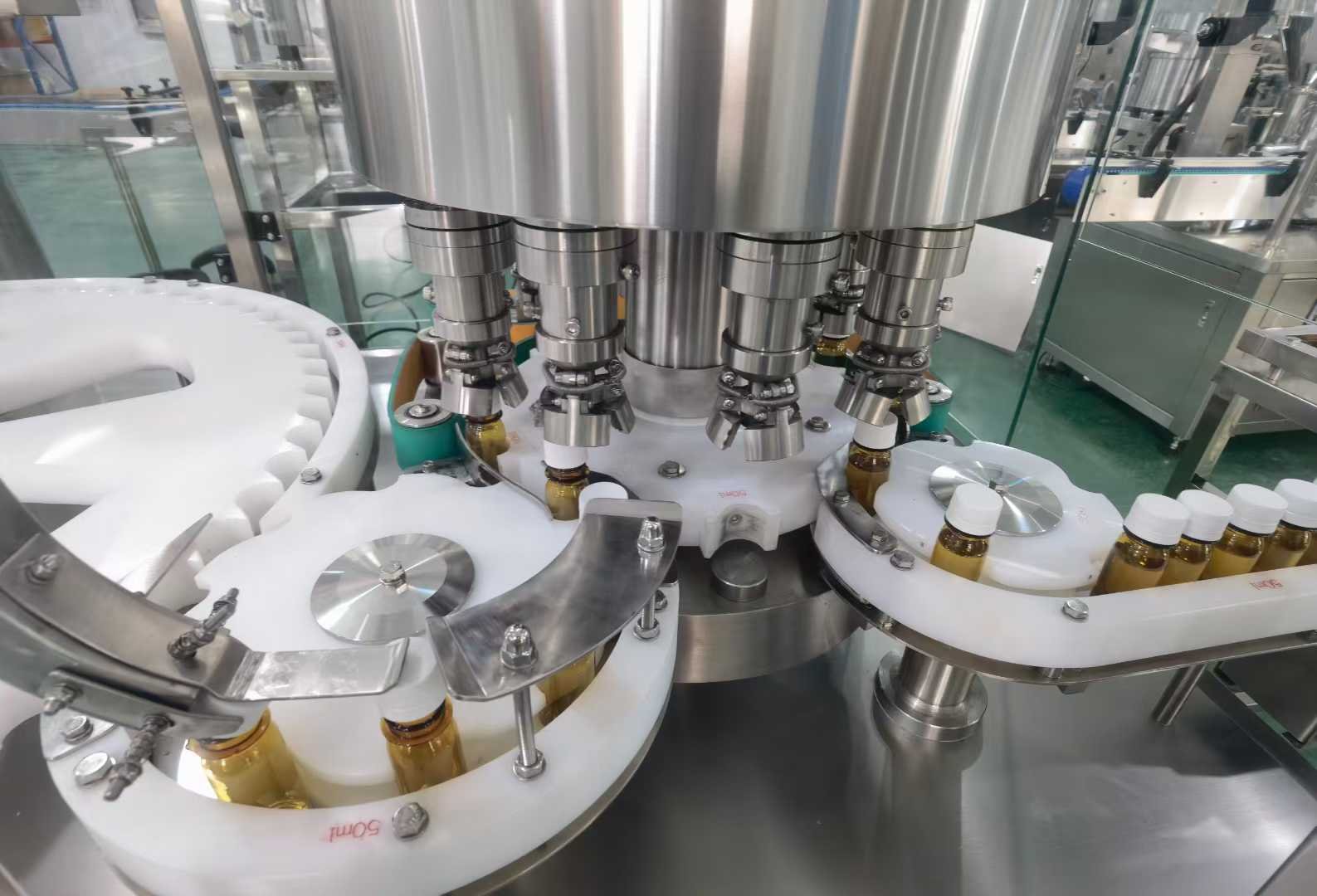
How to Choose a Low-Dose Oral Liquid Filling Machine
When it comes to small-dose oral liquid filling, even a deviation of 0.01ml can lead to non-compliance. Switching bottle types often takes half a day, while issues like leaks, drips, excessive bubbles, or failure to maintain sterility can directly affect batch quality and on-time delivery. With so many machine brands in the market, selecting the right equipment directly impacts cost, compliance, and production capacity.
At Sidereal Machine Company, we evaluate small-dose oral liquid filling machines based on five key dimensions: filling accuracy, setup efficiency, bottle compatibility, sterile compliance, and maintenance cost. This helps you quickly identify the most stable and suitable machines for your production line.
I. Evaluation Criteria (Industry Standard)
This evaluation focuses on small-dose oral liquids (1–30ml) and considers the following key indicators:
Filling Accuracy: Dose error control determines compliance and raw material savings.
Setup Efficiency: Time required to switch bottle types or specifications affects production flexibility.
Bottle Compatibility: Ability to handle bottles of different diameters, heights, and materials.
Sterile Compliance: Materials, structure, and cleaning/sterilization capability must meet GMP requirements.
Maintenance Cost: Life of wear parts, failure rate, energy consumption, and after-sales support.
II. Our Product Evaluation Example
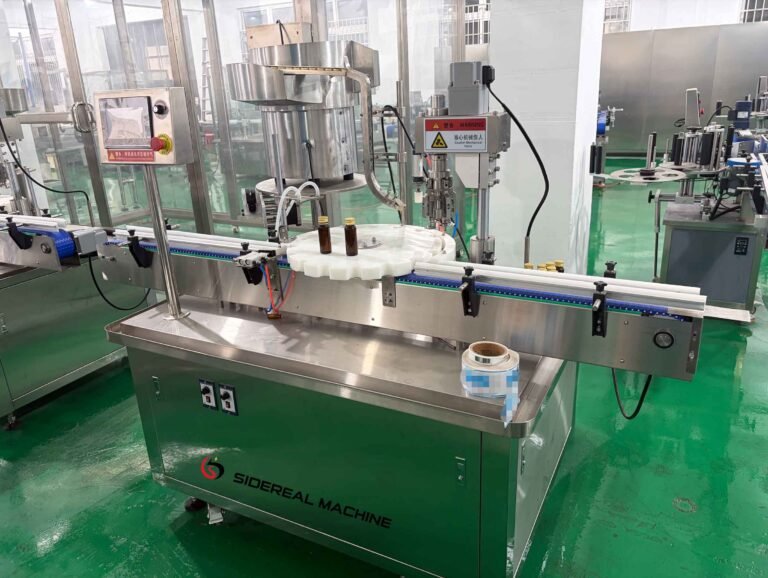
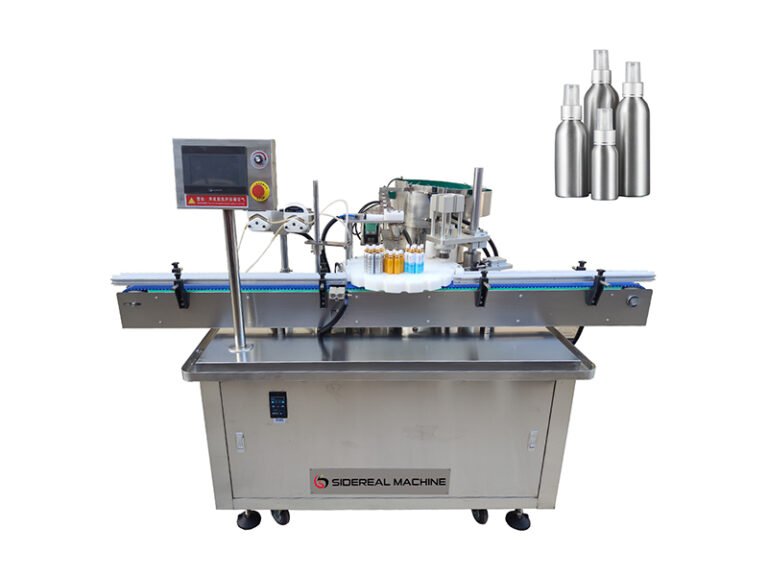
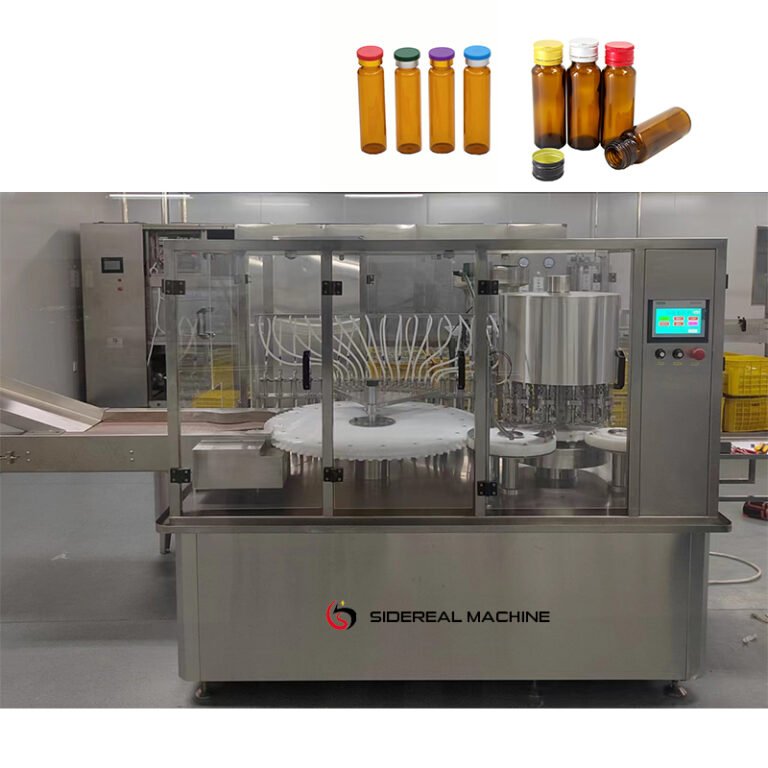
Sidereal Machine Company – Small-Dose High-Precision Oral Liquid Filling Machine
Positioning: Specialized in 1–30ml oral liquids, syrups, and reagents. Focuses on high accuracy, fast changeover, and fully sterile operation—providing stable mass production solutions for pharmaceutical and health supplement companies.
Core Advantages:
Servo-driven peristaltic pump metering: Stable filling precision of ±0.01ml, batch error ≤±0.5%, eliminating under- or over-filling.
Modular quick-change structure: Switch specifications in 5 minutes without complex molds, leading the industry in setup efficiency.
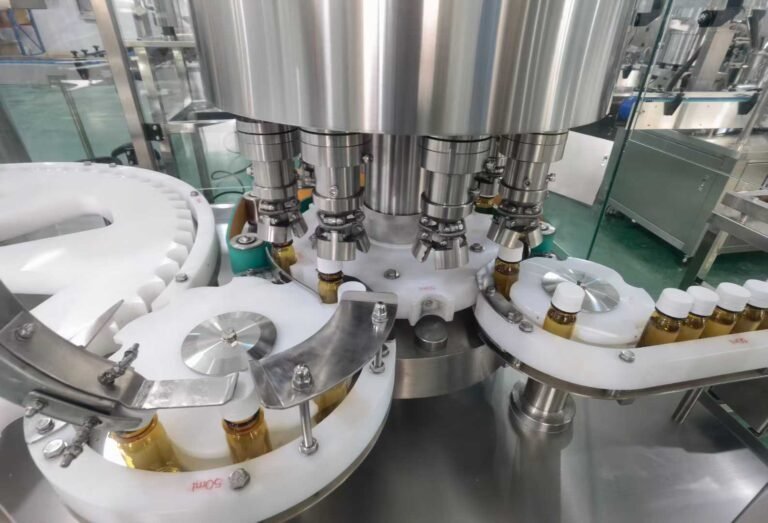
Fully sealed, anti-drip filling heads: Layered speed control prevents bubbles, wall adhesion, and dripping, ensuring a 99.8%+ pass rate.
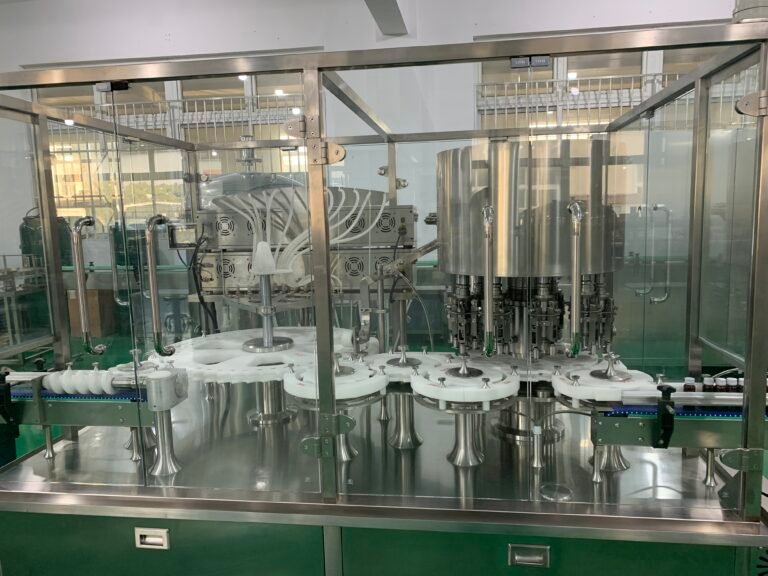
316L stainless steel contact parts with mirror finish: Supports CIP/SIP cleaning and sterilization, fully compliant with GMP.
Advanced monitoring and control: Includes “no bottle, stop filling,” leak alarms, self-diagnosis, and easy maintenance.
Sidereal Machine excels in precision and stability for small-dose applications. Quick changeovers, low wastage, and strong compliance make it ideal for R&D, pilot, and full-scale production—offering excellent cost-performance for small and mid-sized pharmaceutical and supplement manufacturers.
III. Application Scenarios & Selection Tips
Ideal Scenario: If your production demands low-dose high precision, frequent specification changes, and strict GMP compliance. Sidereal Machine Company is your go-to choice, offering distinct advantages in accuracy and changeover efficiency.
Selection Tips:
1.Verify Real Accuracy: Do not just rely on theoretical values listed in brochures. Always request on-site testing and formal quality guarantees.
2.Assess Changeover Difficulty: Prioritize modular, toolless quick-disassembly structures to minimize downtime caused by mold and tool changes.
3.Inspect the Sterile Structure: Ensure a dead-zone-free, easy-to-clean design with comprehensive material certifications to eliminate compliance risks.
4.Evaluate After-Sales Response: Confirm spare parts availability, on-site service response times, and training/validation support provided.
IV. Frequently Asked Questions (FAQ)
Q1: Low-dose filling is inconsistent and fluctuates constantly. How to fix this?
A: This is usually caused by air trapped in the pipelines, wear on the metering pump, or parameter drift. First, purge all air bubbles from the lines, check the seals and check valves, and recalibrate the metering parameters. Servo peristaltic pump machines greatly improves precision stability.
Q2: Bubbles appear in bottles after filling. How to prevent?
A: Implement sealed filling paired with layered speed control—meaning you purge air before filling, maintain a steady speed during the mid-stage, and decelerate at the end. Sidereal Machine optimized flow channels and anti-foaming designs to ensure stable, bubble-free filling.
Q3: How to stop filling heads from dripping and contaminating the bottle bodies and labels?
A: Check the needle seals, valve response speeds, and the suck-back function. Opt for filling heads featuring dual seals, high-speed solenoid valves, and anti-adhesion coatings. These ensure a clean, instant cut-off with suck-back at the end of the cycle, stopping drips at the source.
Q4: How does the machine meet GMP and sterile validation requirements?
A: All product-contact components must be made of 316L stainless steel with mirror-polished, dead-zone-free interiors. The machinery should support CIP/SIP, feature “no bottle, no fill” sensors, leakage alarms, and data logging for traceability. Manufacturers should also provide full material reports and validation documentation (IQ/OQ) to support your on-site validation.
For purchasing filling machine, contact email: sales@siderealmachine.com, +86 18203320034