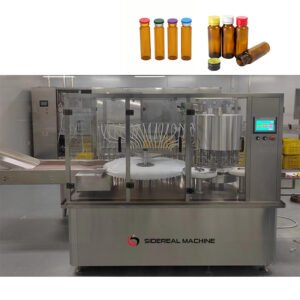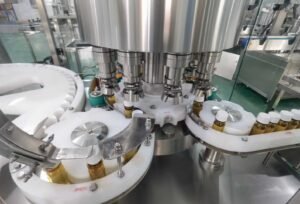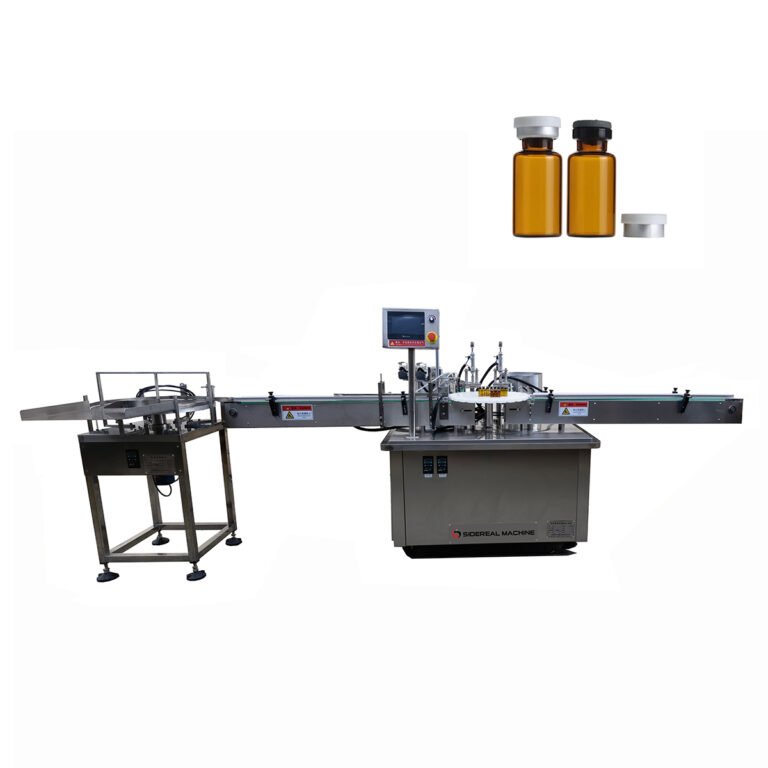
10ml Oral Liquid Filling Machine Top 5 FAQs: Key Answers on Accuracy, GMP Compliance, Changeover & Maintenance
Q1: What is the core difference between a high-speed 10ml oral liquid filling machine and an ordinary filling machine?
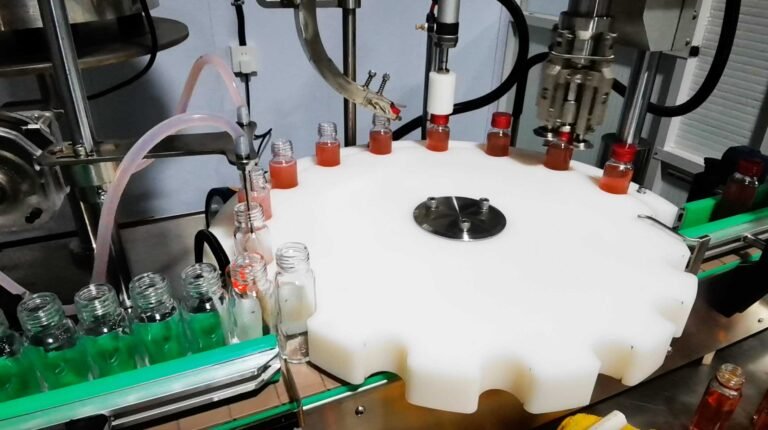
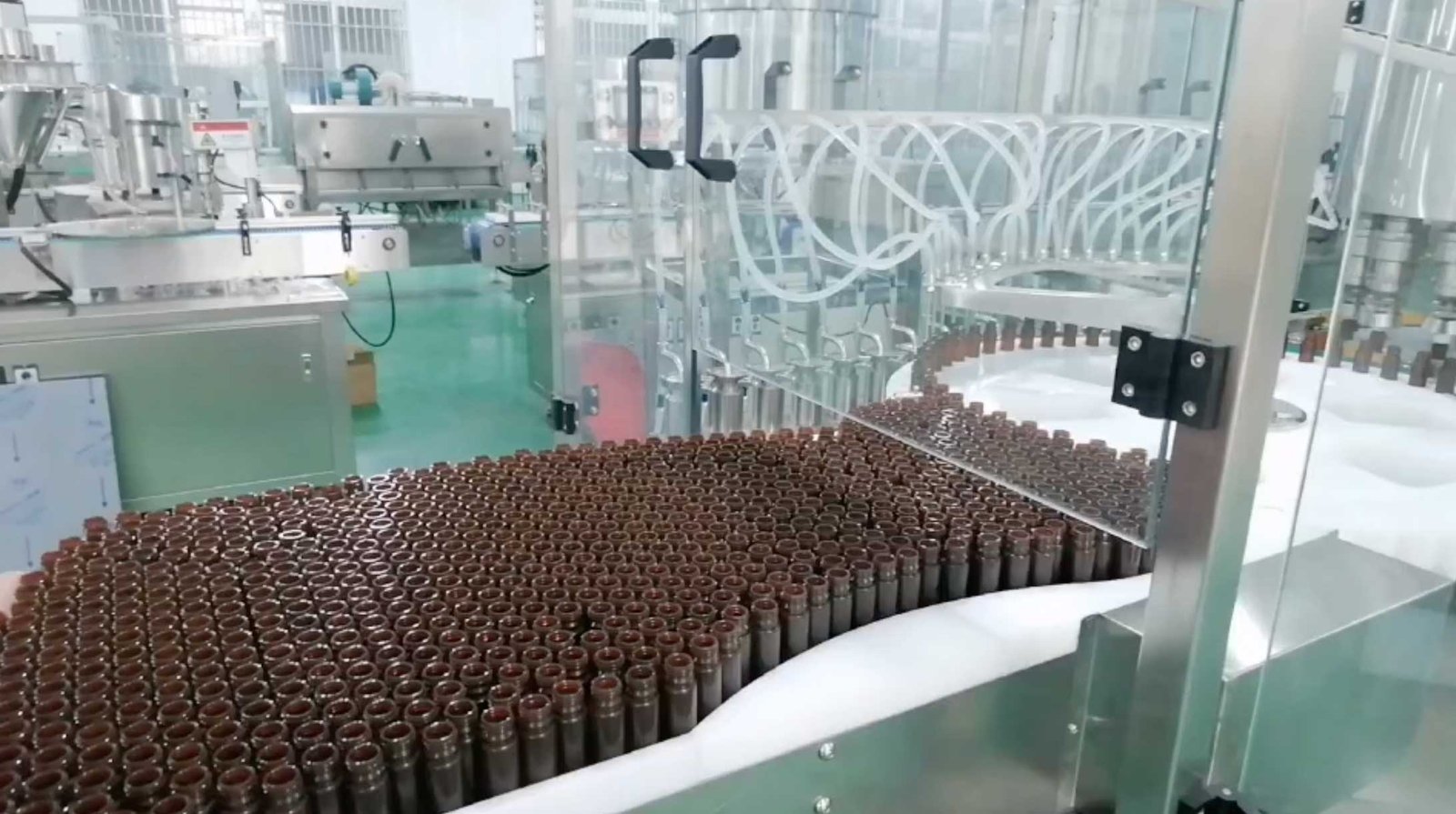
A: Ordinary 10ml filling machines usually have a capacity of 180–240 bottles/minute and are only suitable for small-batch, intermittent production; increasing their speed easily leads to precision deviations, liquid leakage, and bottle breakage. In contrast, high-speed models feature reinforced frames, multi-axis servo metering, and intelligent buffering structures. They can stably achieve 400 bottles/minute of uninterrupted mass production while maintaining an ultra-low filling tolerance even at high speeds. They also offer all-around upgrades in compliant design, smart control, and flexible production to accommodate long-term, large-scale corporate manufacturing.
Q2: Will continuous high-speed operation cause issues like inaccurate filling, wall-sticking, or liquid dripping?
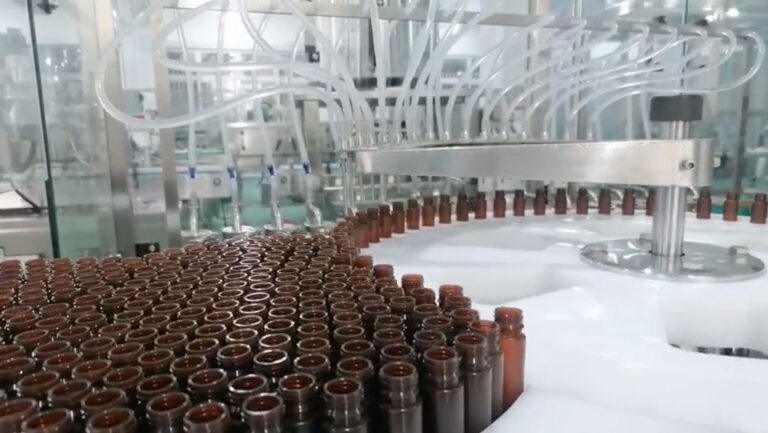
A: High-speed models from reputable, professional manufacturers can effectively eliminate these issues. Taking professional high-speed equipment as an example, machines are outfitted with specialized anti-drip filling nozzles, vacuum suck-back systems, and flexible gripping structures to physically eliminate wall-sticking and dripping during high-speed filling. Paired with a servo closed-loop metering system for real-time dosing calibration, there is no high-speed accuracy drift. Low-end, simplistic equipment often suffers from various failures during long-term high-speed operation due to rudimentary structures and control systems.
Q3: Can this equipment handle both 10ml glass and plastic bottles? Is the changeover process complicated?
A: Professional-grade high-speed 10ml oral liquid filling machines are fully compatible with mainstream containers, including standard 10ml glass bottles and PET plastic bottles. Premium equipment utilizes modular adaptive fixtures combined with intelligent parameter memory designs. Instead of replacing core components, operators only need to make simple micro-adjustments to complete the changeover and resume production within 10 minutes. The operation is straightforward and does not require highly specialized technicians, whereas ordinary universal equipment involves tedious, time-consuming changeovers that severely hurt efficiency.
Q4: Can the vendor provide complete GMP validation documents upon purchase to ensure a smooth factory audit?
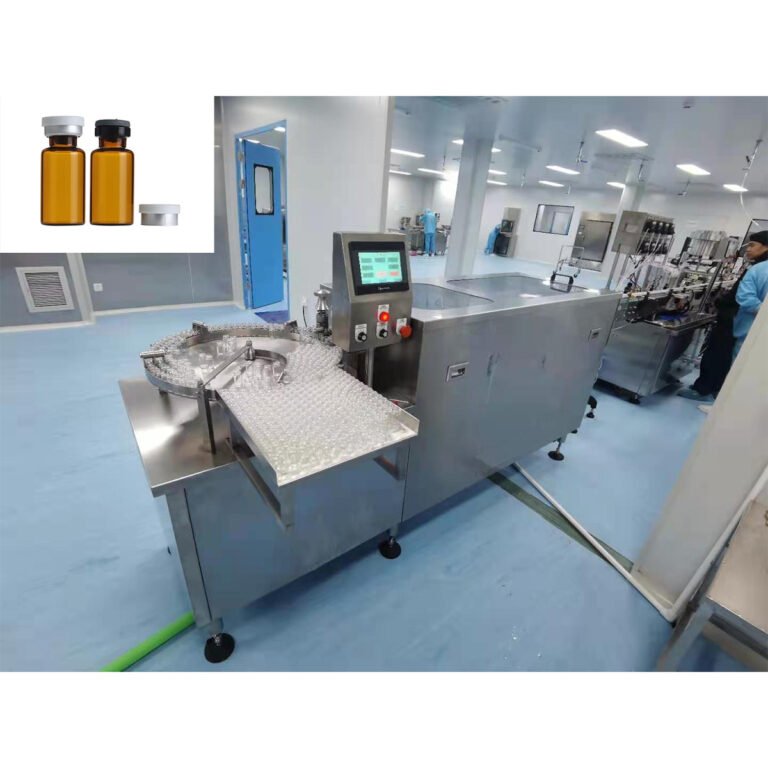
A: Professional vendors specializing in this niche can provide a comprehensive set of compliance validation documents. This includes equipment material certificates, cleaning validation reports, risk analysis reports, FAT/SAT acceptance documents, and IQ/OQ validation files, fully supporting enterprises during onsite GMP factory audits. Conversely, vendors of generic or budget equipment mostly provide only basic certificates of conformity with incomplete compliance data, leading to higher rectification and time costs for the enterprise later on.
Q5: Is the daily maintenance of high-speed filling machines difficult? Are long-term O&M costs high?
A: Standard high-speed machines adopt standardized and modular designs where core accessories are universal standard parts rather than custom-made components. Daily upkeep only requires basic maintenance such as cleaning, lubrication, and tightening, making it low-difficulty. The equipment features low failure rates and durable wearing parts. Although the initial procurement investment is slightly higher, it eliminates high-frequency maintenance downtime and expensive parts replacement costs in the long run, offering lower comprehensive O&M costs and a much higher cost-performance ratio.
For purchasing filling machine, contact email: sales@siderealmachine.com, +86 18203320034